
Introduction
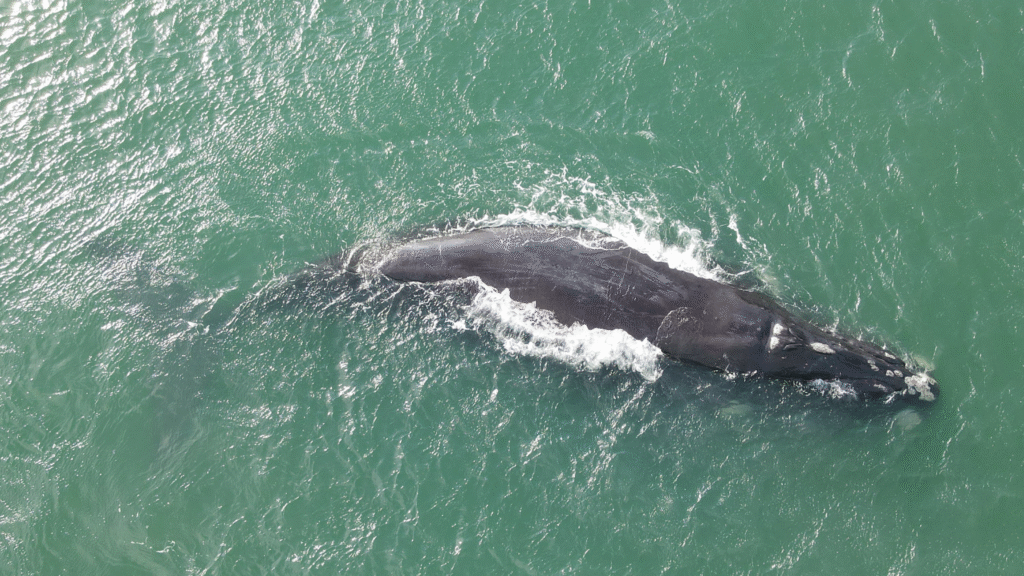
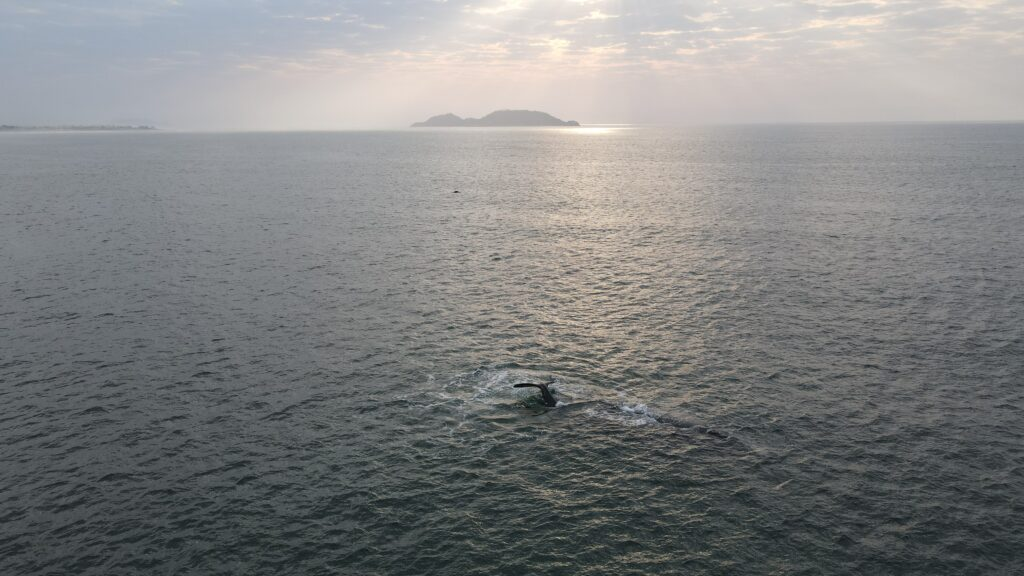
Between July and November, the southern coast of Santa Catarina becomes the stage for one of nature's most exciting spectacles: the arrival of southern right whales. They travel thousands of kilometers from the icy waters of Antarctica to find calm, warmer seas, ideal for mating and caring for their young. Those on dry land have the privilege of witnessing this unique moment, sensing the grandeur of these animals, which can reach 16 meters and weigh over 50 tons.
And the best place to live this experience is Right Whale Route — a complete tourist destination that combines nature, culture, and gastronomy in the municipalities of Garopaba, Imbituba, and Laguna. More than just whale watching, the Route is an invitation to explore paradisiacal beaches, hike trails that reveal unforgettable views, learn about stories preserved in time, and taste flavors that exude the freshness of the sea.
Before heading out to find the best observation point, it's worth learning a little more about each of these destinations. It's this diversity that makes the Southern Right Whale Route so special!
A journey between three cities
The journey can start by Garopaba, where the tranquility of fishing villages blends with the beauty of beaches like Gamboa, Rust, Silveira It is SiriúWalking along the coast at dawn, with the sound of the waves and the expectation of seeing a whale appearing on the horizon, is a feeling that stays etched in your memory.
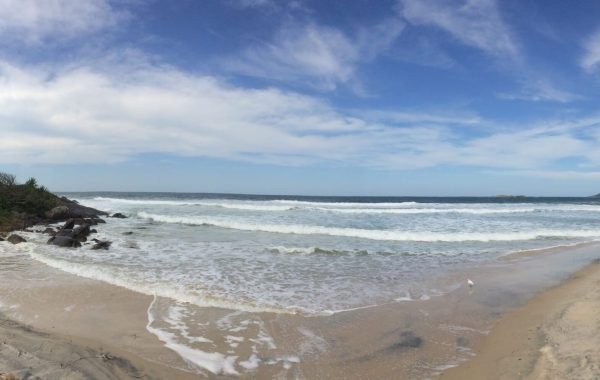
Following the coast, the scenery changes and reveals Imbituba, the heart of the Route and the national capital of the right whale. It is in this city that the Whale Museum, in the old whaling station, and the Visitor Center of ProFRANCA, on Itapirubá Norte beach — one of the spots with the highest number of sightings in Brazil. Its 9 beaches, including the famous Rosa Beach, offer spectacular views and the chance to see mothers and calves resting near the surf.
A few kilometers away, Lagoon The tour concludes with an irresistible combination of history and nature. The Historic Center, with over 600 buildings listed by IPHAN, is a dive into the colonial past. On the cliffs and beaches such as Santa Marta Lighthouse, Gi Beach, Iró Beach, and Sol Beach, the spectacle continues. And to top it all off, there's interactive dolphin fishing, a unique partnership between fishermen and dolphins, as enchanting as the sight of whales on the horizon.
This connection between the three cities creates a complete experience: visitors can immerse themselves in preserved landscapes, learn about local history, and, as a bonus, have the chance to observe one of the largest mammals on the planet up close.
Where to see whales
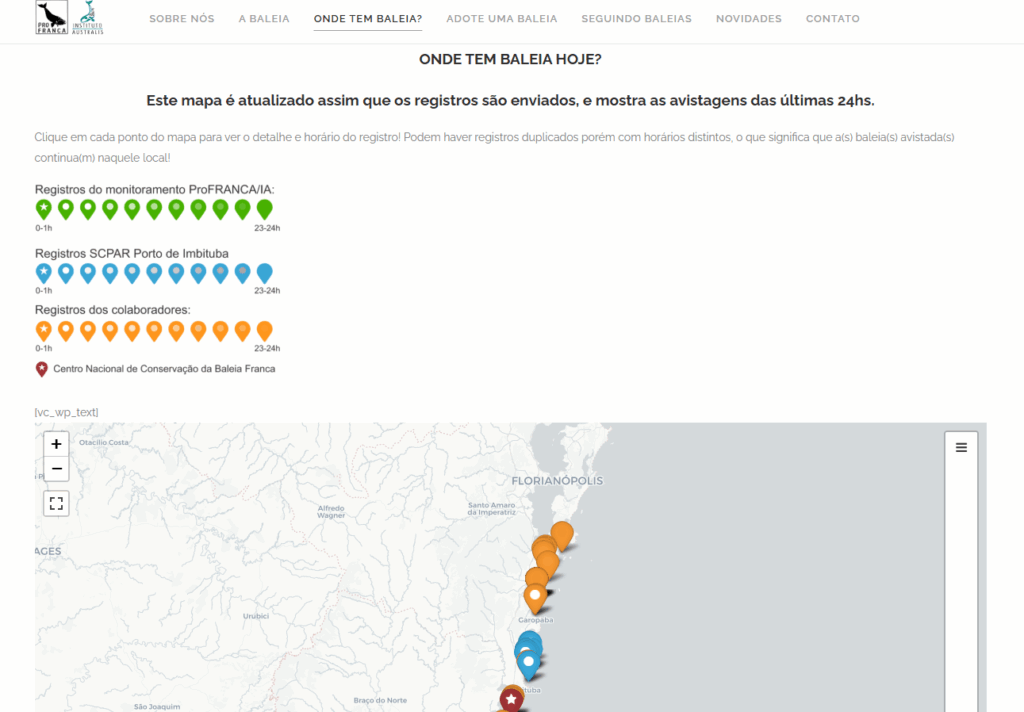
After getting to know the setting, it's time to plan your meeting with the season's protagonists. Right Whale Route, observation is done exclusively from land, to protect the animals and their habitat. The best spots are on cliffs, dunes, and viewpoints, and ProFRANCA maintains an updated sighting map to help visitors plan their route: whalefranca.org.br/avistagens.
Going in the morning, when the sea is calmer, bringing binoculars, and choosing locations with good visibility increases your chances of witnessing these giants emerge. It's impossible not to be moved—and each sighting is unique, with different behaviors and interactions between mothers and calves.
An experience that goes beyond whales
The season is the perfect excuse to explore everything that Garopaba, Imbituba It is Lagoon offer. Coastal trails lead to nearly untouched beaches, restaurants serve fresh seafood, markets and events reveal local culture, and every conversation with a resident brings stories and curiosities about the community's relationship with whales. So, even on days when whales don't appear, there's always something to discover and enjoy.
Whales in Florianópolis, Palhoça and Paulo Lopes
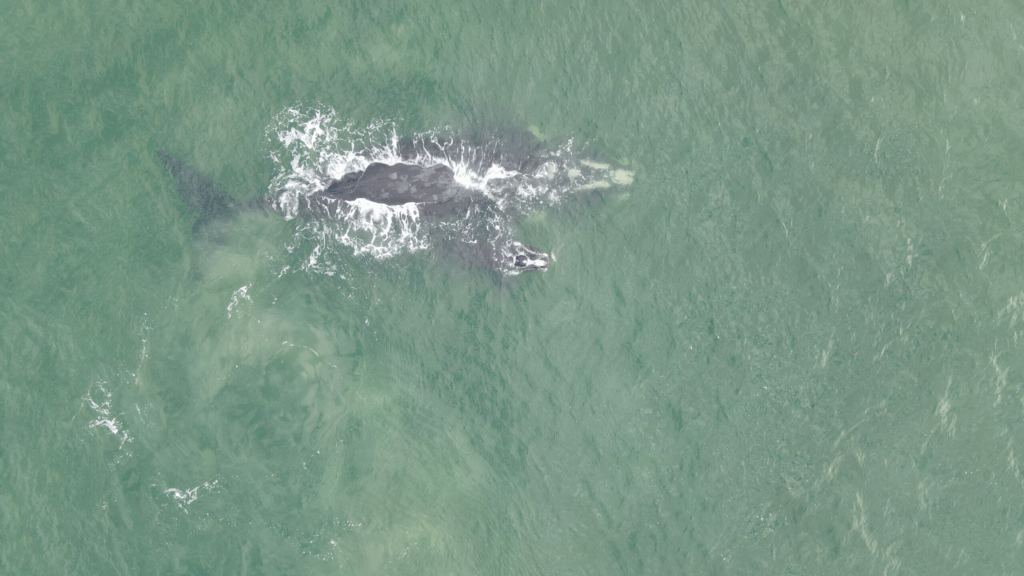
Although the Southern Right Whale Route is the most famous destination for seeing southern right whales, it is still possible to spot whales in Florianópolis, Palhoça, and Paulo Lopes (between Guarda do Embaú Beach and Gamboa Beach) during the season.
Responsible tourism
The thrill of seeing a whale so close comes with the responsibility of preserving this encounter. Maintaining distance, avoiding noise, not using drones without authorization, and following the instructions of guides and handlers are essential to ensuring the safety of the animals and the continuation of this experience for future generations. More than just a tour, whale watching is a commitment to nature.
Plan your trip
The Southern Right Whale Route is more than a destination: it's an experience that combines nature, culture, and history in a unique setting. To make the most of it, visit the official website. rotadabaleiafranca.com.br and follow sighting updates on whalefranca.org.br/avistagens.
Experience this spectacle and discover why so many visitors return year after year. The whales are the main attraction, but the overall experience is what makes this trip unforgettable.
Reproduction authorized from: visit floripa.